
I started going to the mountains when I was six years old. At that time, I had no real concept of nature, crowds, beauty or silence. I don’t know exactly what made me fall in love with the mountains. It certainly wasn’t because they were an easy environment.
My father took me on some pretty strenuous hikes, where we slept alongside snoring people in sweaty, small and dark mountain huts… But, strangely enough, I wasn’t traumatised. The difference between a memorable experience and a traumatic one is sometimes quite small. Thankfully, I chose the memorable side of it.
What I remember most is that I loved the idea of getting away from everybody and being surrounded by nature. I kept that love throughout my life. As a teenager, I started going to the mountains with my friends, and when I began working as an engineer, the mountains became my main hobby. Whenever I travelled, I always looked for mountains to explore — from the Himalayas to the Andes, from the Pamirs to Patagonia.
And if there was one thing that all these experiences had in common, it was this: I was alone in nature. That feeling of being far away from everything has always been the key part of the experience for me.
I loved the mountains so much that eventually they became my job. And after 15 years of working as a hiking guide, my passion is still the same. But something has changed in the meantime.
When the mountains became mainstream
Travelling has become mainstream. Some mountain destinations have changed their character and, in some cases, their soul. Social media has accelerated the process. There are now many mountain locations that have completely lost the feeling I loved as a young mountaineer.
I understand that many people enjoy the more leisurely side of the mountains. Having a Spritz with a view of the Tre Cime di Lavaredo certainly looks cool. But it is no longer an exclusive experience that you have with mother nature. It became an experience to show in your social media. The city went in the mountains and changed it, instead of changing the city people.
And, perhaps more importantly, the people welcoming you may not have the same energy when you are one of hundreds of customers they serve that day.
I recently(today is 7th of October 2026) tried to book a trip to the Dolomites for September 2027, and some mountain huts were already full. The same thing happens in other famous destinations such as Mont Blanc and the Haute Route Chamonix-Zermatt.
This is why I have a simple message:
If you really love nature and you really love the mountains, don’t always follow the mainstream. Look for alternatives to the most famous destinations.
Because fame often means overtourism.
And there is really no reason to limit yourself to the most famous mountains when the Alps offer so many incredible places to explore.
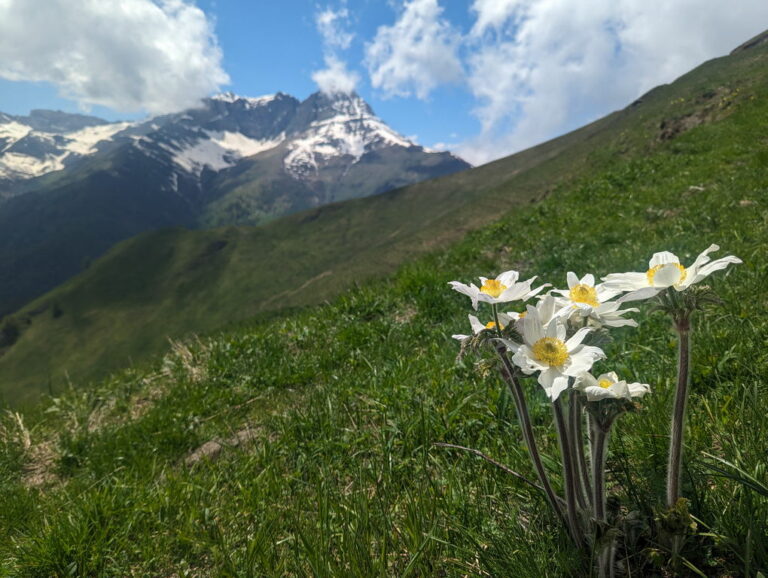
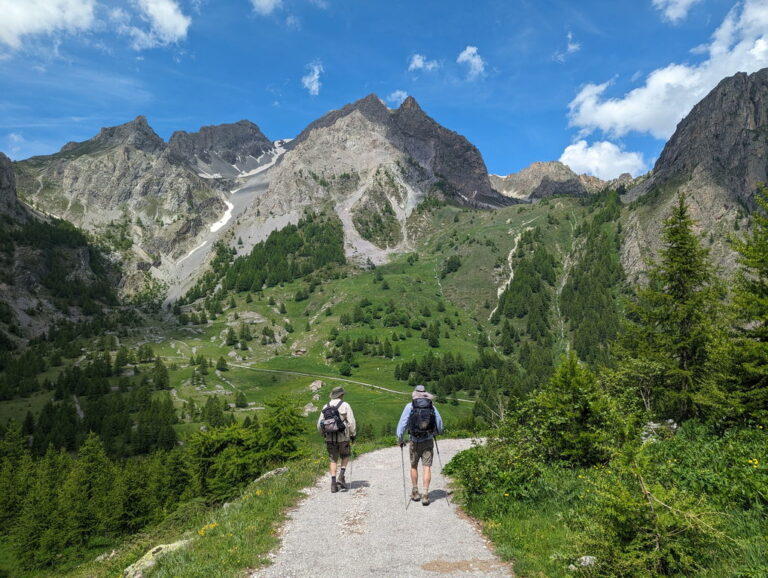
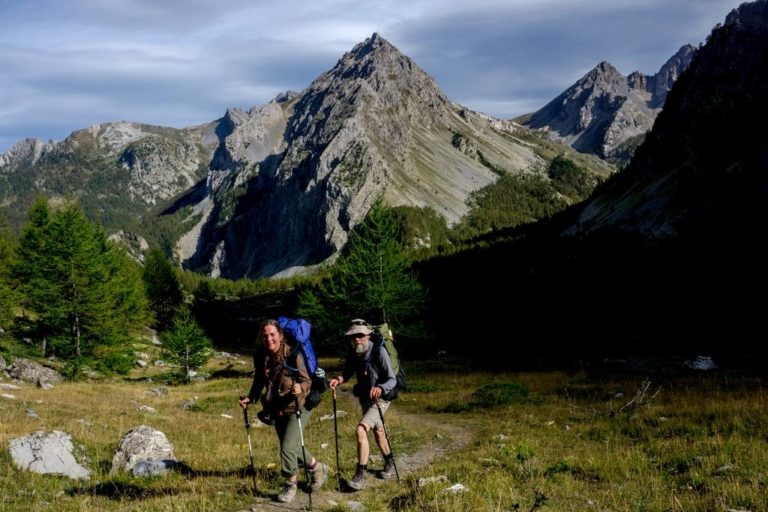
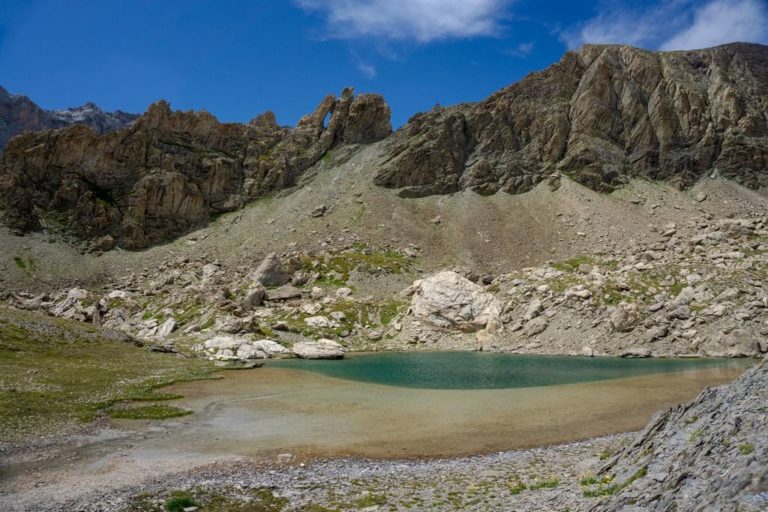
Val Maira - Remote and Beautiful
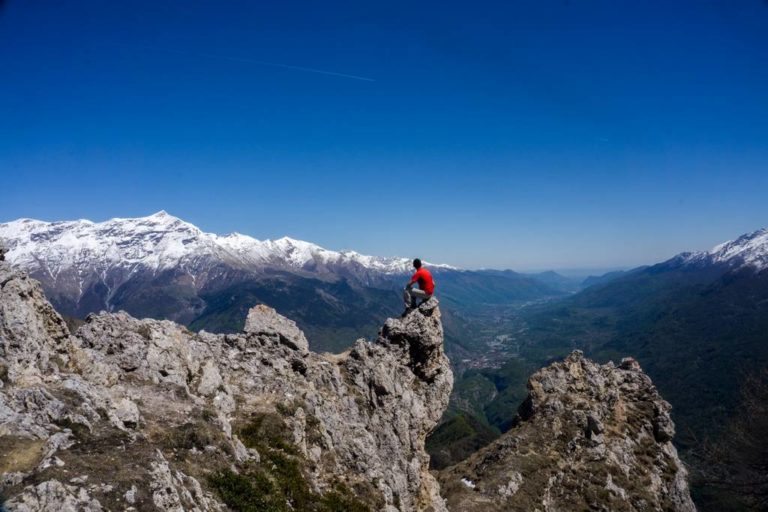
Susa Valley - Near Turin but still far away from Everyone
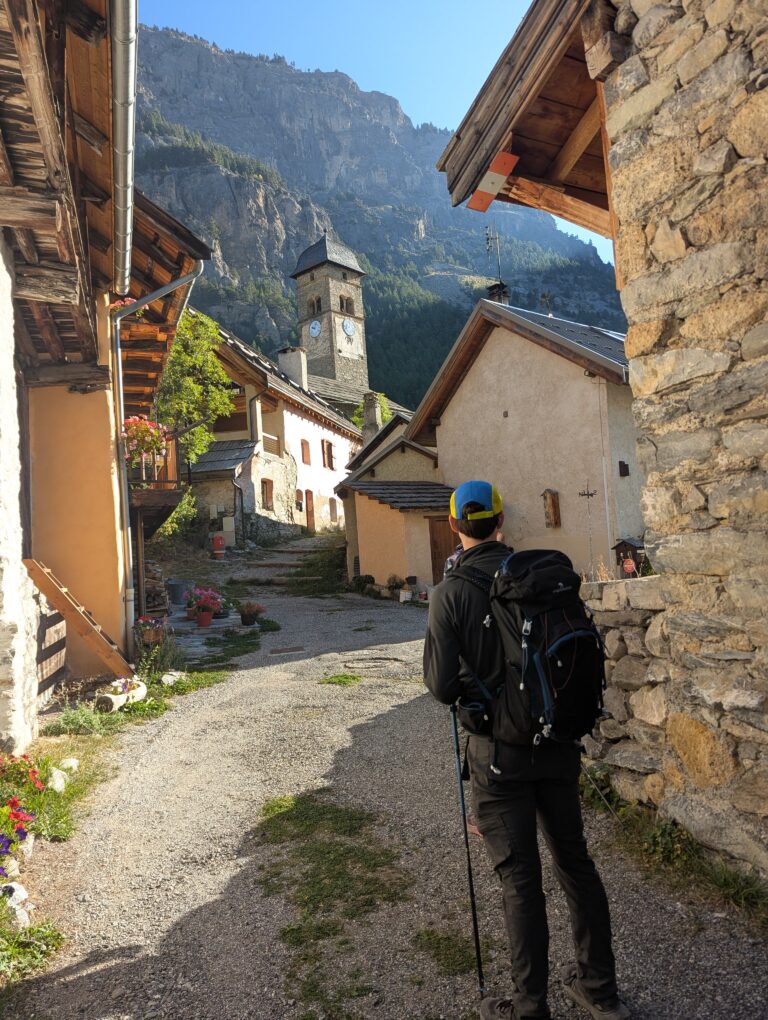
Looking for alternatives to the Dolomites?
This article is not meant to tell you that you should never visit the Dolomites. They are spectacular mountains, and there is a reason why so many people want to go there. We also offers tours in these website but we are starting to avoid Alta Via because it became a circus.
But if you are looking for alternatives to the Dolomites — places with beautiful landscapes, excellent food and wine, authentic mountain villages and, most importantly, the possibility of walking alone or almost alone — I have two suggestions.
Val Maira and the Upper Susa Valley.
Both are extremely beautiful areas where you can still have a much more intimate experience of the Alps. And this is precisely what makes them interesting alternatives to the Dolomites. The idea is not to make these places the next Dolomites. I certainly don’t have enough influence to do that anyway! But if tourism is going to continue growing, I think it makes sense to spread it more evenly: bring visitors to places where tourism is welcome, rather than concentrating everybody in the same famous destinations where overtourism has already become a problem.
If people are going to travel anyway, wouldn’t it be better if they spread out?
Val Maira
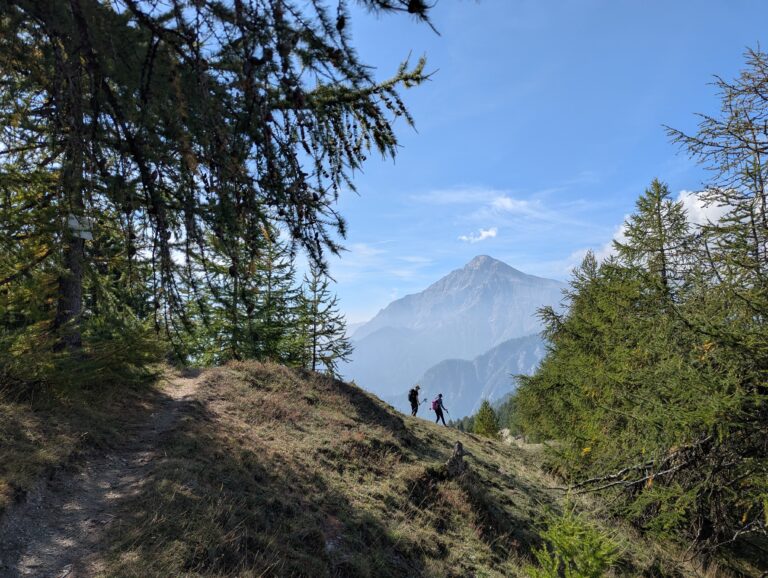
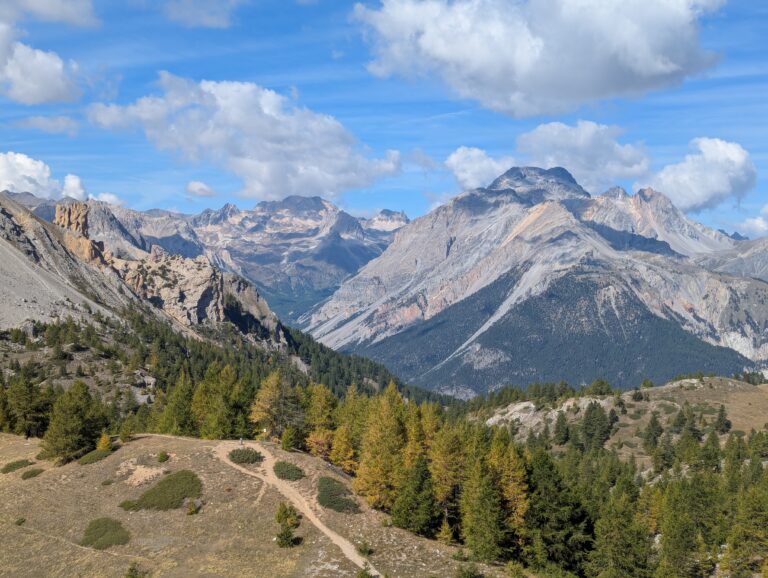
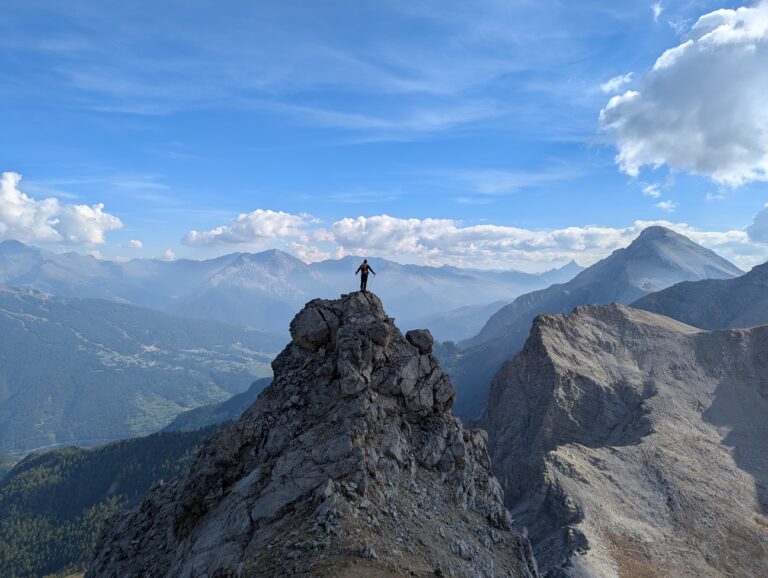
Val Maira is one of the most beautiful and least-known valleys in the Italian Alps. It offers spectacular mountains, traditional villages, excellent food and a huge network of trails. But what makes it particularly special is the feeling of space and solitude. You can walk for hours without meeting many other hikers, even during the summer season. It is a very different experience from walking along some of the most famous trails in the Dolomites, where popular viewpoints can sometimes feel more like tourist attractions than wilderness.
For those looking for an alternative to the Dolomites, Val Maira is one of the first places I would recommend.
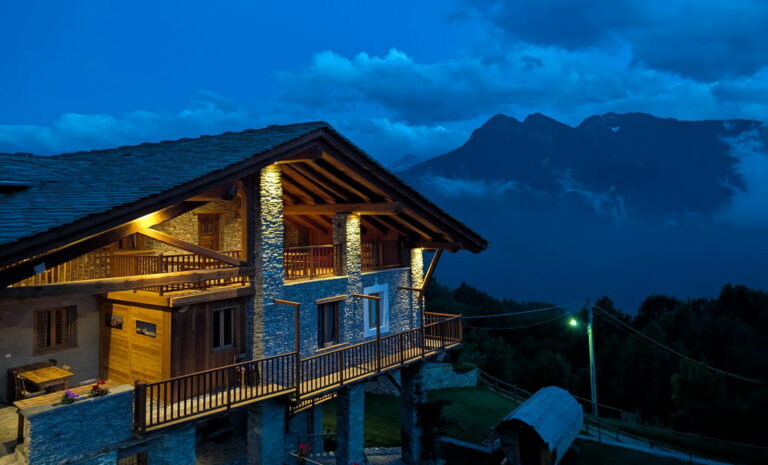
We organise tailor-made hiking trips in the area, including inn-to-inn hikes where you can stay in comfortable mountain accommodation rather than traditional mountain huts. You can find more information and pictures here:
https://www.trekking-alps.com/hikes/inn-to-inn-val-maira/
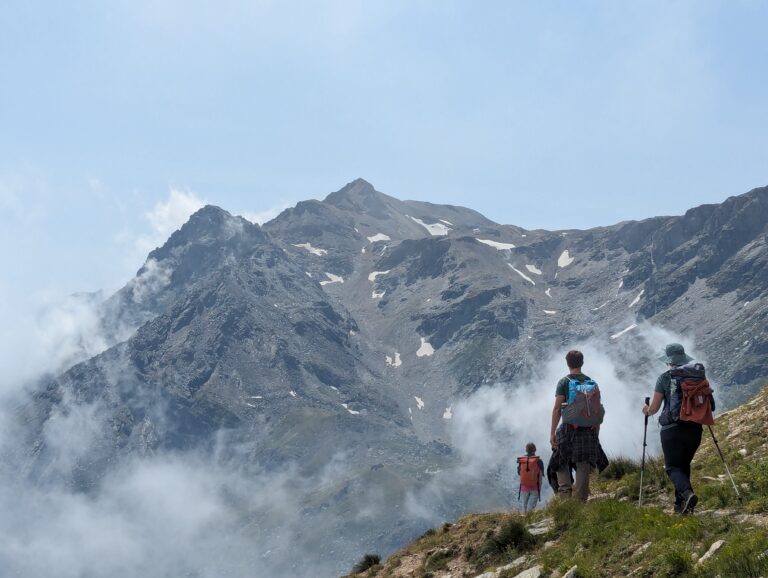
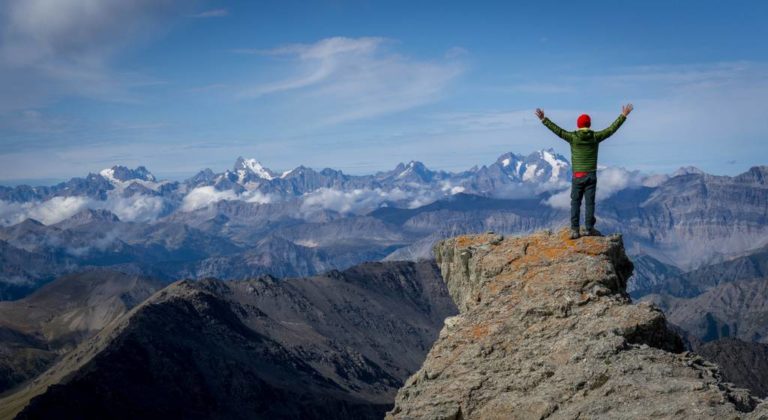
Upper Susa Valley
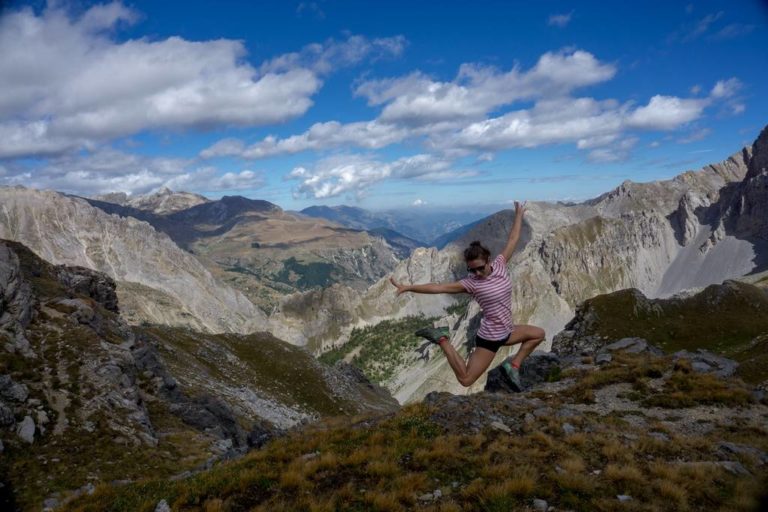
The second alternative to the Dolomites I would suggest is the Upper Susa Valley, in the Italian Alps just west of Turin. This is an area I know extremely well, and it offers an incredible combination of mountains, history, food and accessibility. You can reach the area very easily from Turin, while the mountains themselves feel surprisingly remote. There are high alpine valleys, old military roads, traditional villages and hundreds of kilometres of hiking trails. And, once again, you can often experience something that has become increasingly difficult to find in the most famous Alpine destinations: silence.
We also organise tailor-made inn-to-inn hikes here:
https://www.trekking-alps.com/hikes/inn-to-inn-turin-alps/
Don’t look for a standard itinerary
The webpages above are intentionally quite open. You won’t find one fixed itinerary that everybody has to follow. There are hundreds of possible combinations, and I don’t think there is any need to standardise them. Standardisation is useful when you want to turn a hike into a tourism product. But if you want an adventure, if you want real contact with nature, if you want to step outside your comfort zone and do something different, I would suggest doing the opposite.
Don’t start with a product. Start with the experience you want.
These hikes are not designed as standard tourist packages, so they can be tailored to different numbers of days, different fitness levels and different levels of comfort. You can make them harder, easier, longer or shorter. And that flexibility is part of what makes these areas such interesting alternatives to the Dolomites.
When should you go?
If your main goal is to experience these mountains with as few other people as possible, I particularly recommend May and June, or September and early October. The landscapes are beautiful, the temperatures are generally pleasant for hiking, and the trails are much quieter than during the peak summer season.
July and August are also possible, of course. Even then, you are likely to have a much quieter experience than in the most famous areas of the Dolomites. And you don’t have to sacrifice spectacular landscapes. You simply have to look somewhere else.
The Italian Alps have more to offer
The Dolomites are beautiful. Mont Blanc is beautiful. The Haute Route is beautiful. But they are not the only places worth visiting. If what you are really looking for is nature, silence, authentic mountain culture and the feeling of being away from everybody, there are many alternatives to the Dolomites. Val Maira and the Upper Susa Valley are just two of them. And perhaps that is the most important point of all: You don’t have to go to the most famous mountain to have an amazing mountain experience.
Sometimes, the best adventure starts when you decide to go somewhere else.
In any case just contact us via WhatsApp at +393386608548 or at our contact form HERE.